01
Understand the condition.
Bring the relevant equipment signals together and put the issue in context.
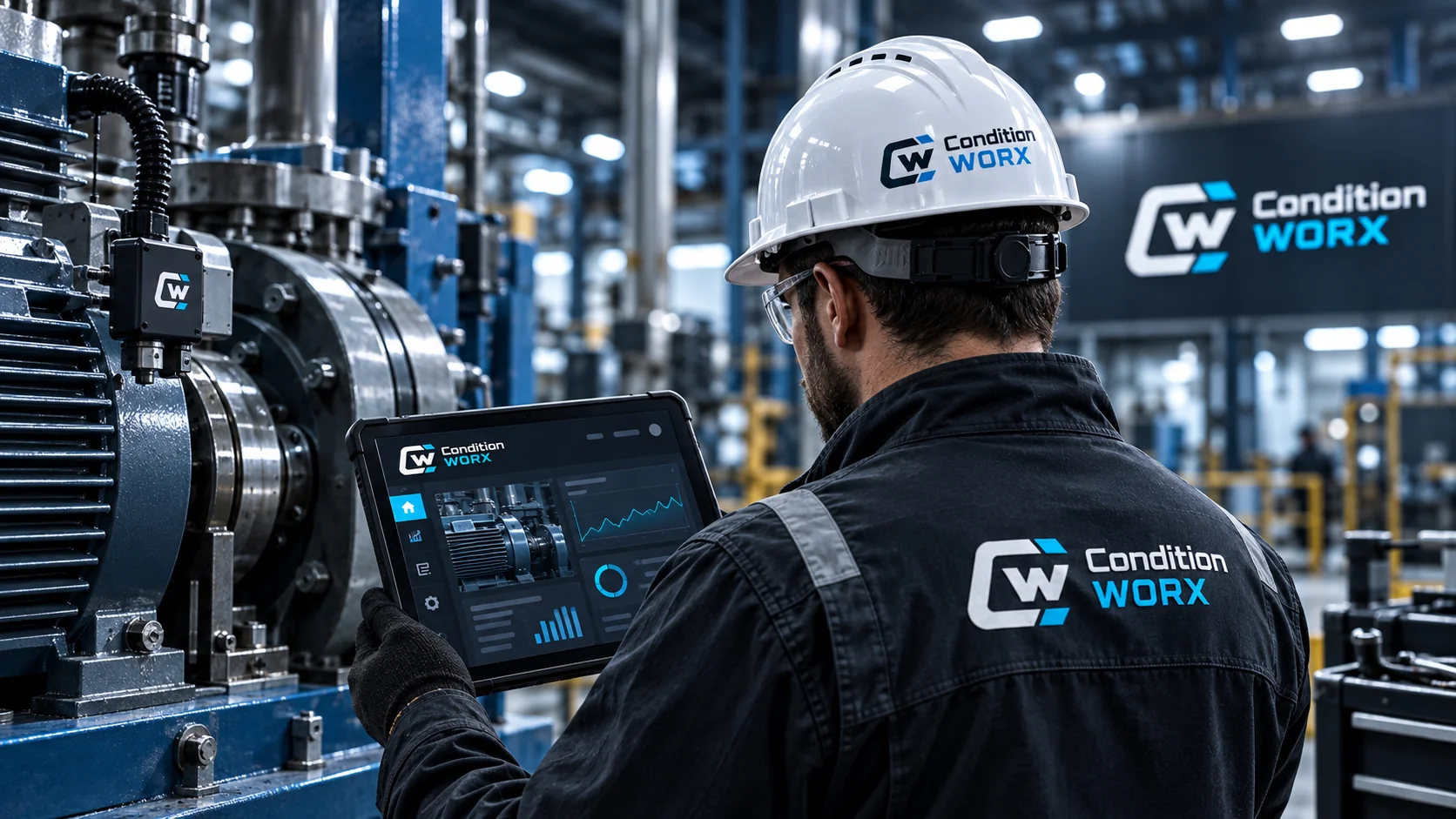
Turn equipment conditions into clear maintenance priorities, scheduled work, and parts readiness.
For the people who keep production moving.
Less hunting through screens, notes, and spreadsheets. Bring the condition, the job, and the parts into one connected workflow.
Put equipment conditions in context, so your team knows where to look first.
Move from an issue to a prioritized job, with a clear next action.
Connect the maintenance need with the parts required to carry it out.
Give each job a clear priority and next step.
Connect the job to what your team needs.
Different machines. Different materials.
The same need to keep things moving.
Start with the equipment that matters to you.
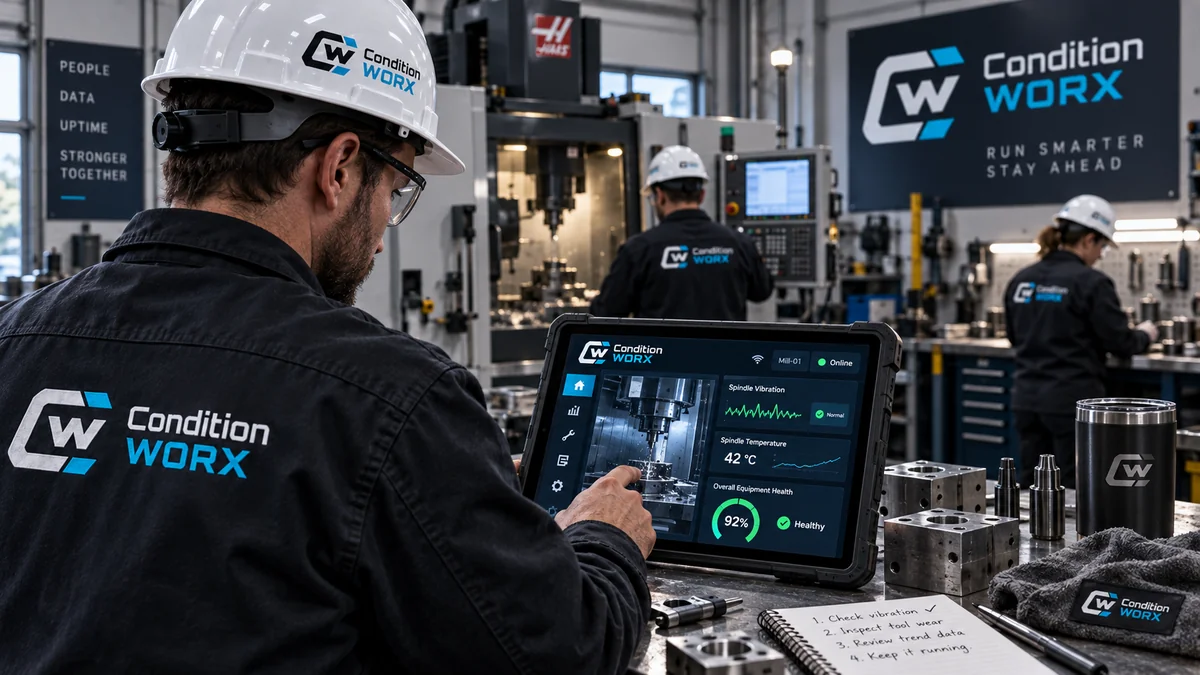 01 / METALWORKING
CNC mills, spindles, and the work behind every part.
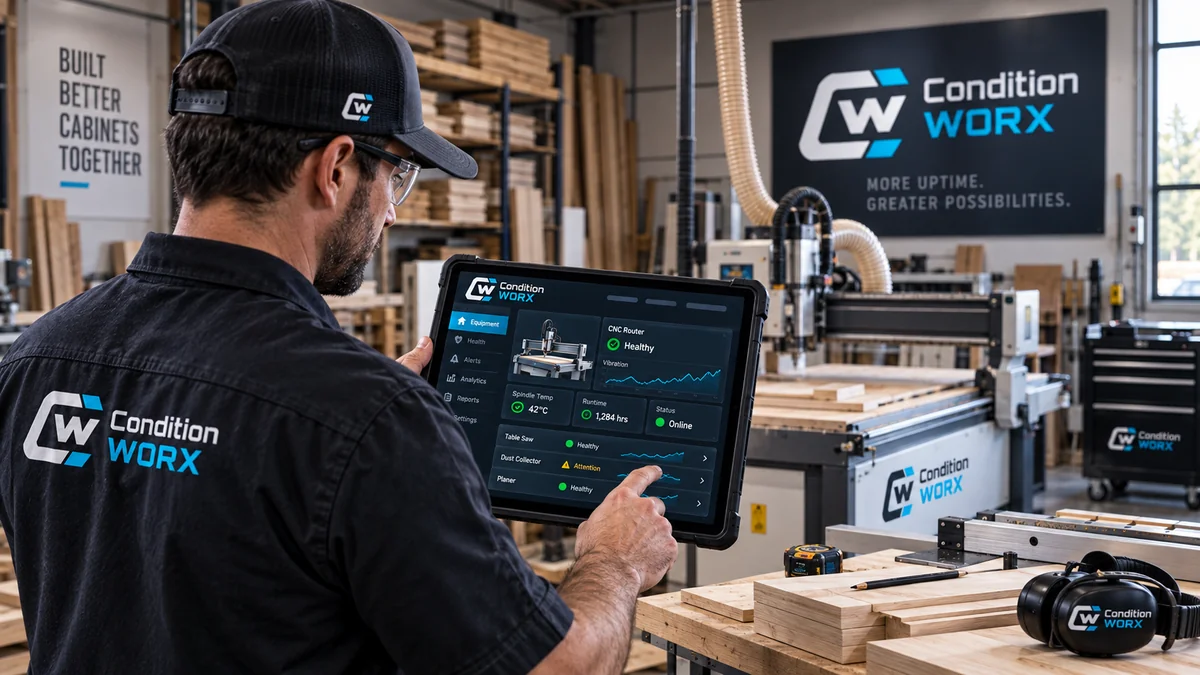 02 / WOOD PRODUCTS
Routers, saws, and dust collection. Keep the shop in sync.
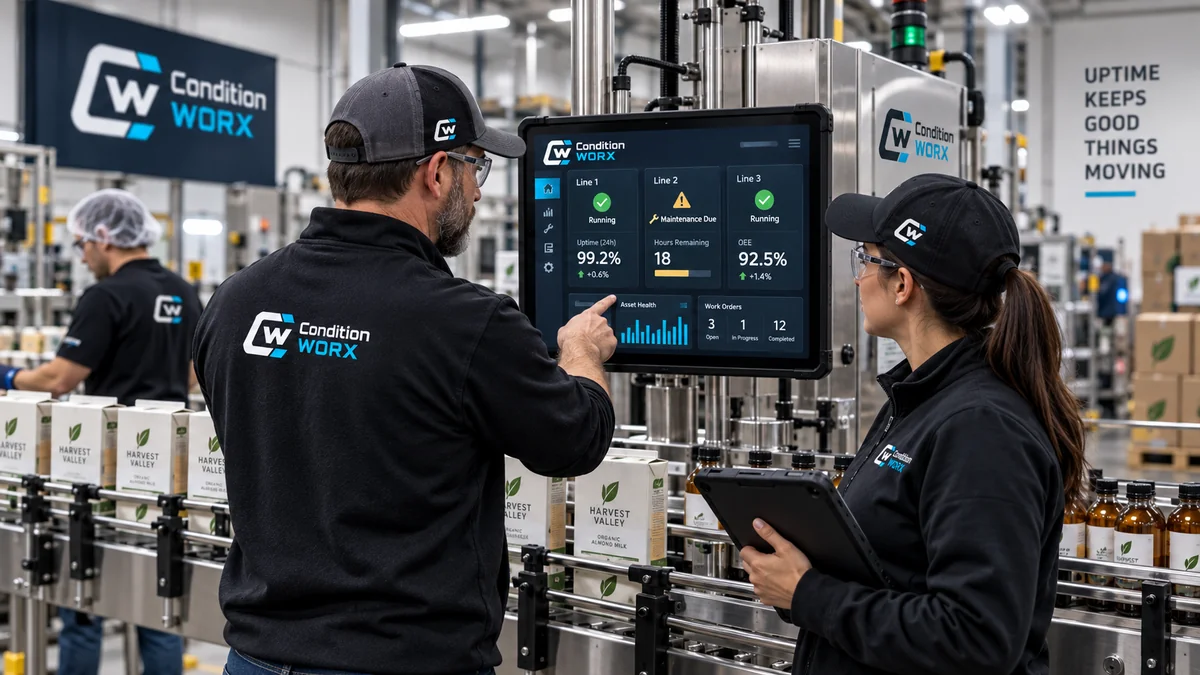 03 / FOOD & PACKAGING
Conveyors, filling equipment, and connected production lines.
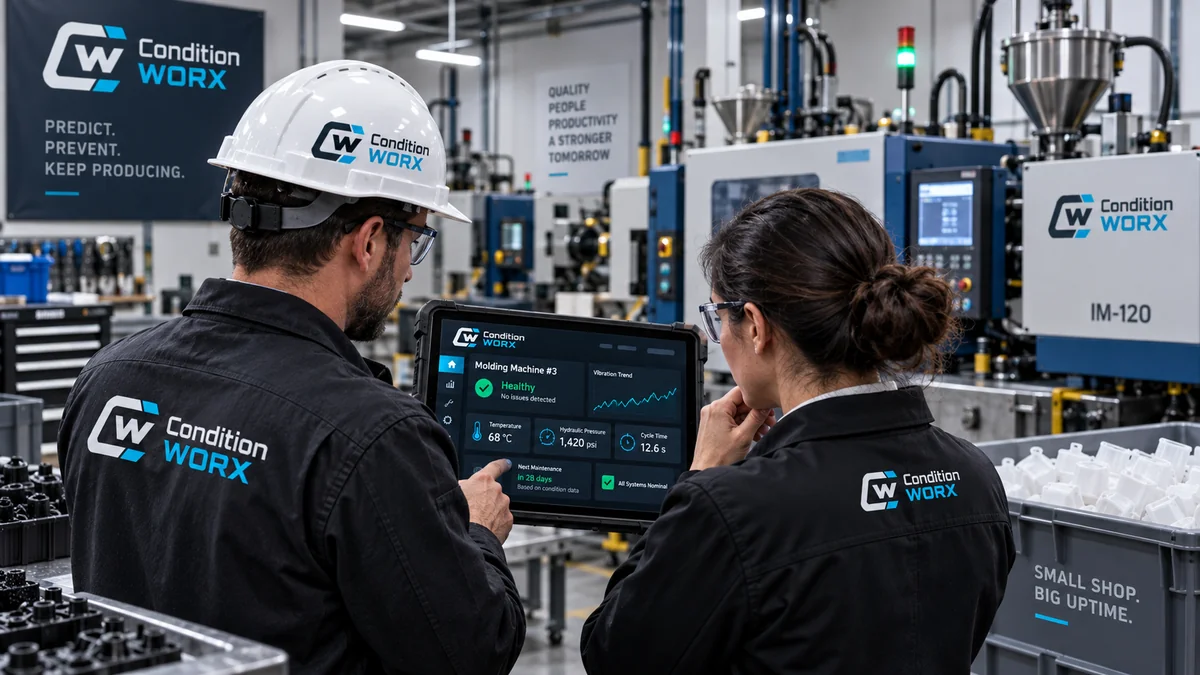 04 / PLASTICS
Presses, hydraulics, and the equipment behind each cycle.
Different operation? Let’s talk about your floor.
Find your starting pointA practical path from equipment condition
to maintenance work—not another dashboard
with nowhere to go.
Bring the relevant equipment signals together and put the issue in context.
Decide what needs attention, define the job, and plan when it should happen.
Identify the parts and next actions, with your team in control of the decisions.
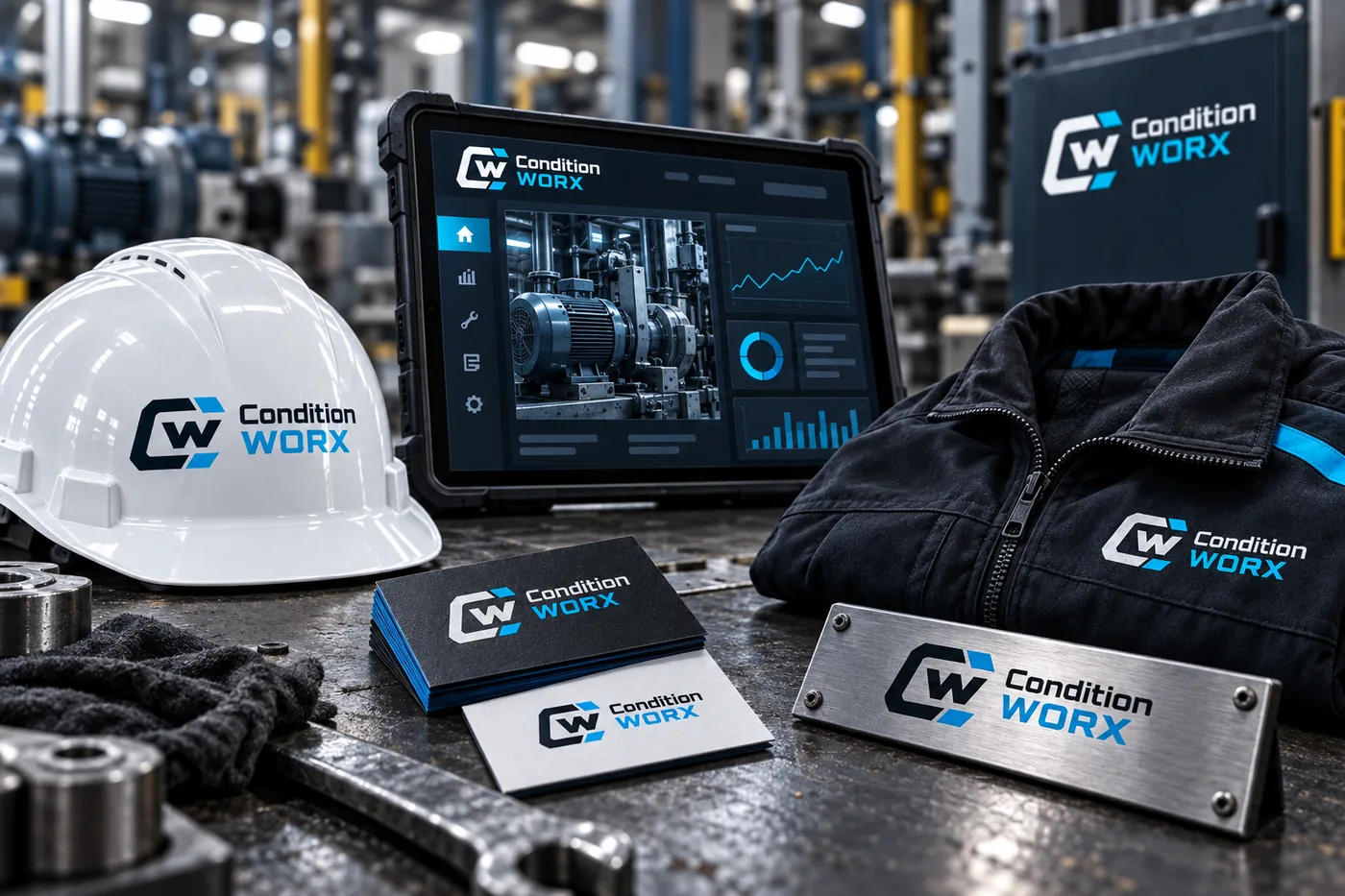
Show us the equipment and the workflow.
Let’s explore where Condition WORX fits.
Tell us a little about your operation.
Smaller shops are part of the intended audience. The starting point is your equipment and maintenance workflow—not the size of your factory. A demo is a chance to establish whether the proposed approach is a fit.
Compatibility needs to be confirmed for your operation. Bring the equipment types, controls, sensors, and software you already use. The discussion should identify available data, integration requirements, and a practical starting point.
The intended role is equipment visibility and maintenance planning—not replacing PLCs, machine controls, safety systems, or your team’s operating procedures.
Your equipment, current maintenance process, recurring friction, and the workflow you would like to improve. Product availability, supported features, integration scope, and next steps should be confirmed directly.